Pimples, clogged pores, and dark spots left after breakouts can influence your skin’s appearance and self-confidence. A consistent skincare routine, combined with suitable professional guidance, can help you manage acne and work towards healthier-looking skin.
At Reflection Face Aesthetics, people exploring Acne Treatment in Bangalore can learn about different approaches to acne care and skin rejuvenation. The most suitable treatment depends on your acne type, skin sensitivity, medical history, and whether your primary concern is active acne, pigmentation, or acne scars. Consulting a qualified dermatologist can help you understand the options available for your skin.
What Causes Acne to Develop?
Acne develops when excess oil and dead skin cells clog hair follicles. Bacterial activity and inflammation can also contribute to breakouts. Acne may appear as blackheads, whiteheads, red pimples, pus-filled spots, or deeper bumps.
Acne can be influenced by several factors, such as hormonal changes, genetics, stress, certain skincare products, and specific medications. Humidity and sweating may also affect acne-prone skin.
Understanding these contributing factors can help you build a more suitable skincare routine and identify treatment options that address your individual concerns.
Which Acne Treatment Options May Suit Your Skin?
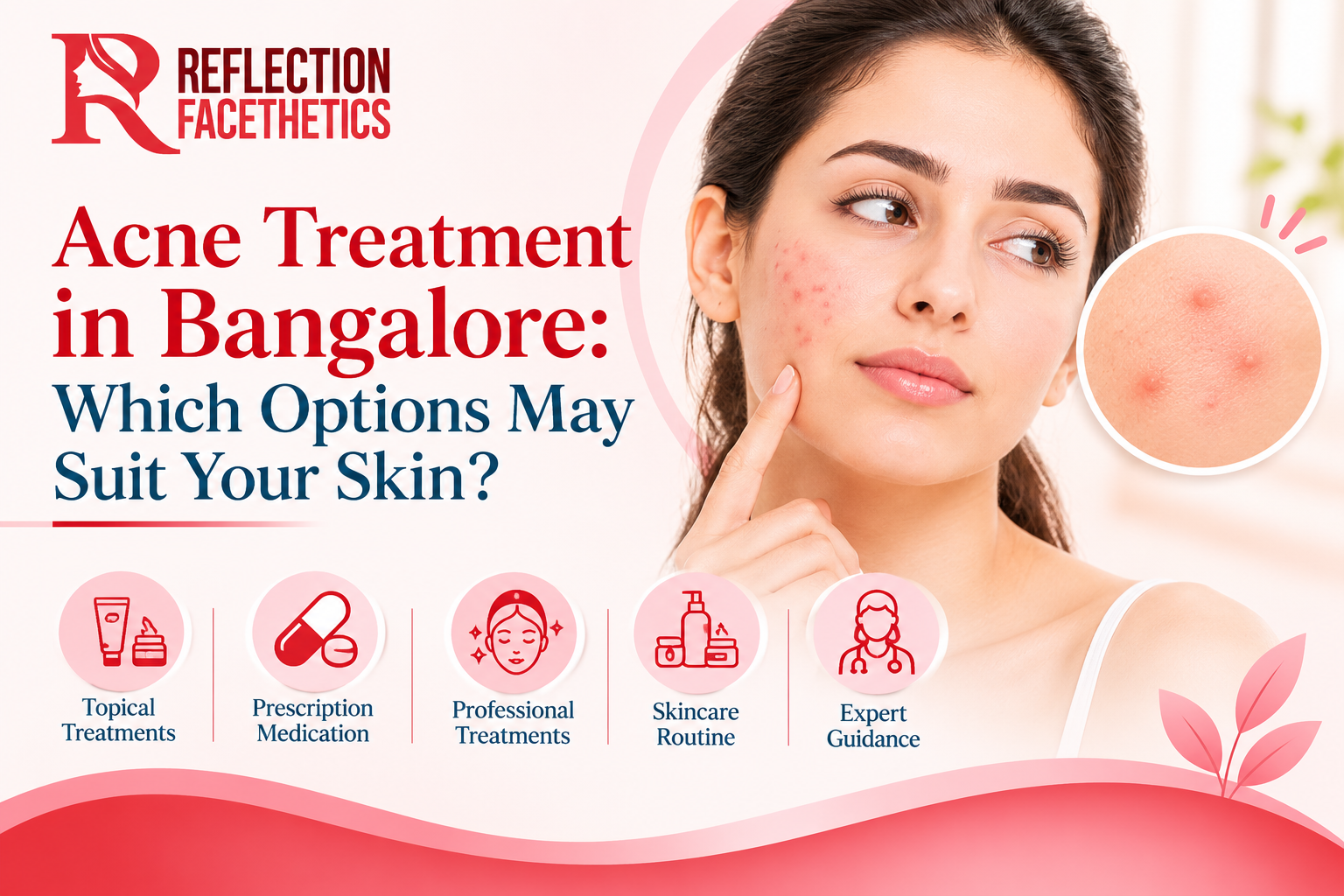
Different acne concerns may respond to different treatments. Depending on your skin condition, a dermatologist may recommend topical products, prescription medication, professional procedures, or a combination of approaches.
1. Topical Treatments for Mild to Moderate Acne
Creams, gels, and lotions are commonly used to manage mild to moderate acne. These products may contain ingredients such as benzoyl peroxide, salicylic acid, azelaic acid, or topical retinoids.
Some ingredients help clear clogged pores, while others reduce inflammation or improve the appearance of post-acne marks. Product selection depends on your skin type, acne severity, and tolerance to active ingredients.
Following professional guidance on product choice, application, and frequency can help you develop a consistent skincare routine.
2. Prescription Medication for Persistent Breakouts
For widespread, painful, or persistent acne, a dermatologist may recommend prescription medication. Depending on the condition, treatment may include oral antibiotics for a limited period or hormonal medication for selected patients.
For severe acne, isotretinoin may be considered under close medical supervision. Certain medicines require specific precautions and monitoring, including pregnancy-related safety measures where applicable.
A dermatologist can explain the expected benefits, possible side effects, and follow-up requirements to help you make an informed treatment decision.
3. Professional Treatments for Acne and Acne Marks
Chemical peels, professional acne extraction, and selected light- or laser-based procedures may be considered for specific skin concerns. Their suitability depends on your acne type, skin sensitivity, pigmentation, and treatment goals.
Different treatment methods may be needed for active acne, dark spots, and acne scars. For example, a treatment designed to manage clogged pores may differ from one intended to improve uneven skin tone or skin texture.
A professional assessment can help determine which procedures may complement your skincare routine and explain the expected results, recovery period, and aftercare requirements.
How to Select the Most Suitable Acne Treatment for Your Skin
Choosing suitable Acne Treatment Options begins with understanding your skin’s individual needs. Occasional blackheads may require a different approach from deeper pimples or breakouts that leave persistent marks.
During a consultation, your dermatologist may assess:
- Type of acne: Whether you have blackheads, whiteheads, inflamed pimples, or deeper lesions.
- Skin sensitivity: How your skin responds to skincare products and active ingredients.
- Breakout patterns: The areas where acne commonly develops, including the face, chest, and back.
- Previous treatments: Products or medicines you have used and how your skin responded.
- Acne marks and scars: Identify whether your primary concern is ongoing acne, pigmentation, or uneven skin texture.
Daily Skincare Practices to Help Manage Acne
A gentle, consistent skincare routine can complement professional treatment and support overall skin health.
- Wash your face gently twice daily and after heavy sweating.
- Choose non-comedogenic products that are less likely to clog pores.
- Apply a suitable moisturiser, even if your skin feels oily.
- Use broad-spectrum sunscreen with SPF 30 or higher to help protect your skin from UV exposure.
- Refrain from picking or squeezing pimples to minimise irritation and the likelihood of scarring.
- Introduce new skincare products gradually and follow your dermatologist’s instructions.
Consistency is important when managing acne. Give recommended products time to work and discuss any changes to your routine with your dermatologist.
When Should You Consult a Dermatologist?
Professional guidance can be helpful when acne keeps returning, causes painful bumps, leaves scars, or affects your confidence. A consultation may also help you explore other treatment options when over-the-counter products have not delivered the expected results.
During your appointment, ask about treatment duration, possible side effects, follow-up visits, and skincare habits that may support your treatment plan.
At Reflection Face Aesthetics, you can enquire about available skin treatments and discuss your concerns with the clinic’s qualified practitioner to understand which options may be suitable for you.
Frequently Asked Questions About Acne Treatment
1. Which acne treatment is best for my skin?
The most suitable treatment depends on your acne type, severity, skin sensitivity, and medical history. A dermatologist can recommend a personalised plan.
2. How long does acne treatment take to show results?
Some people notice improvements within six to eight weeks, while persistent acne may require a longer treatment period and regular follow-up.
3. Can acne treatment help reduce dark spots?
Certain treatments can improve post-acne pigmentation. Active pimples and dark spots may require different approaches, depending on your skin condition.
4. Can chemical peels be used on acne-prone skin?
Chemical peels may suit selected individuals depending on their acne type, skin sensitivity, and pigmentation concerns. A professional assessment can help establish suitability.
5. What should I do if acne products cause dryness?
Follow your dermatologist’s advice about adjusting product use. If you experience significant burning, swelling, or irritation, seek medical guidance.