Changes in skin texture and firmness are a natural part of ageing. Over time, reduced collagen and changes in the skin’s supporting structures can make the cheeks appear less lifted and the jawline look less defined. For people who prefer a subtle improvement without traditional facelift surgery, a thread lift may be worth discussing with an experienced aesthetic practitioner. The right approach depends on the individual’s facial features, skin condition, and desired outcome.
At Reflection Facethetics, Dr. Deepika Bartunia offers aesthetic care based on individual needs and treatment goals. The clinic’s Threads Treatment in Bangalore page provides further information for people exploring thread-based facial rejuvenation in the Whitefield area.
Understanding Thread Lift Treatment
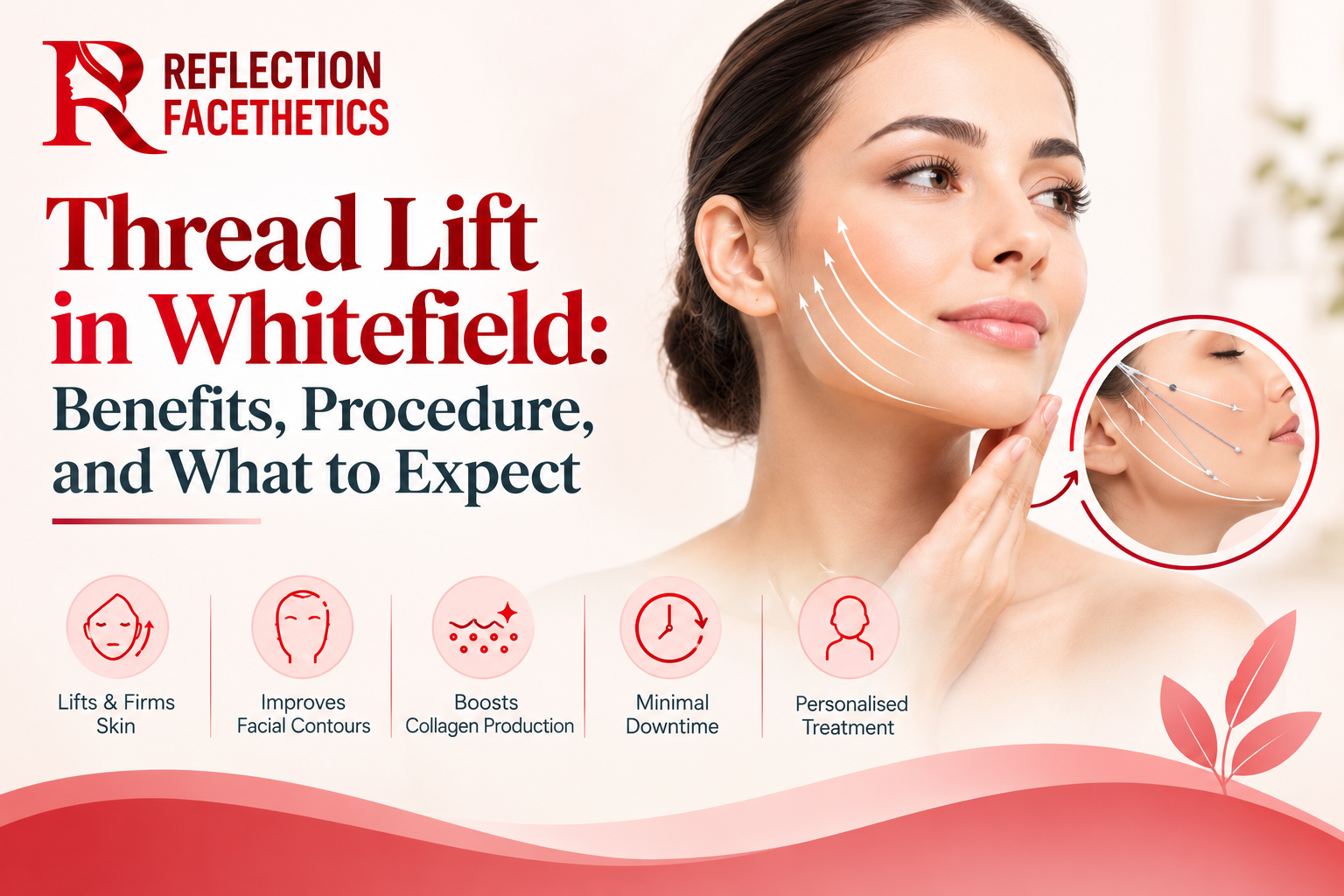
A thread lift is a non-surgical cosmetic treatment that uses specially designed, dissolvable threads inserted under the skin to lift and support specific areas of the face.Depending on the method used, the threads can provide a temporary lifting effect. Certain thread materials may also encourage collagen formation as the body responds to them.
Although the procedure generally involves smaller entry points than a surgical facelift, it still requires careful planning and professional expertise. Thread lifts are not equivalent to surgery, and the degree of improvement is usually more limited. They may be considered by suitable candidates who have early signs of sagging and prefer a less invasive approach.
How Can a Thread Lift Help?
People researching Thread Lift Treatment in Bangalore may be looking for ways to improve facial definition while avoiding a major surgical procedure. Depending on the treatment area and the person’s suitability, potential advantages include:
- Enhanced facial definition: Supporting selected areas may help create a more lifted appearance.
- A more defined jawline: Appropriate thread placement may improve the appearance of mild sagging around the lower face.
- Support for skin quality: Some absorbable threads can stimulate the body’s collagen response over time.
- A less invasive approach: The procedure usually does not require the extensive incisions associated with a surgical facelift.
- Individualised planning: Treatment can be tailored to specific facial areas rather than applying the same approach to every patient.
Outcomes are not identical for everyone. A thread lift cannot eliminate significant loose skin, and results should not be expected to match those of a surgical procedure.
Who Should Consider This Procedure?
A thread lift may be considered by adults experiencing mild to moderate facial laxity who want a relatively subtle change in appearance. During a consultation, the practitioner can assess the areas of concern, review medical history, and determine whether the procedure is suitable.
People with pronounced skin sagging may need to consider alternative treatments. Certain health conditions, active infections near the treatment area, and other risk factors may make a thread lift unsuitable or require treatment to be postponed. A proper assessment should include a discussion of realistic outcomes, possible complications, and available alternatives.
The best treatment also depends on the concern being addressed. For example, wrinkle relaxer treatments work differently from thread lifts and may be considered for selected expression lines. A practitioner can explain which approach, if any, is appropriate for the individual’s needs.
What to Expect During Treatment
The first step is a consultation to discuss the desired result, examine facial structure, and review relevant medical information. The practitioner should explain the proposed technique, the type of threads being considered, potential side effects, and expected recovery. If treatment proceeds, the area is prepared carefully, and local anaesthesia may be used to minimise discomfort.
The threads are then positioned beneath the skin using suitable instruments and a planned placement technique. The areas treated and the length of the appointment vary according to the individual treatment plan. Before leaving, patients should receive instructions on caring for the treated area and information about when to seek medical advice.
When considering Thread Lift Treatment in Bangalore, patients should prioritise practitioner qualifications, hygiene standards, transparent information, and appropriate follow-up rather than choosing a procedure based on promotional claims alone.
Recovery and Important Aftercare Tips
After treatment, temporary swelling, bruising, tenderness, tightness, or mild irregularities may occur. These effects can vary in intensity and duration.Following the practitioner’s aftercare instructions can help the skin heal properly and protect the treated areas.
Patients may be advised to avoid intense exercise, facial massages, and putting pressure on the face for the period recommended by their practitioner. They should also avoid pulling or pressing the treated skin and attend follow-up appointments when recommended.
Seek medical advice if symptoms become more severe instead of improving. Increasing redness, fever, unusual discharge, significant pain, or unexpected skin discolouration should be assessed promptly.
Frequently Asked Questions
1. How long does the results of a thread lift last?
The duration varies according to the thread material, technique, skin condition, and natural ageing. The practitioner can discuss likely outcomes during consultation.
2. Is the Procedure Painful?
Local anaesthesia is often used to reduce discomfort. Some tenderness, tightness, or soreness may occur afterwards.
3. Can I return to normal activities immediately after procedure?
Recovery differs between individuals. Some people resume routine activities relatively quickly, but swelling or bruising may affect the first few days.
4. Is a thread lift suitable for severe sagging?
It may not provide sufficient improvement for substantial loose skin. A consultation can help identify more appropriate options.
5. How can I decide whether a thread lift is right for me?
Discuss your goals, medical history, skin concerns, and expectations with a qualified practitioner who can assess suitability and explain the risks.