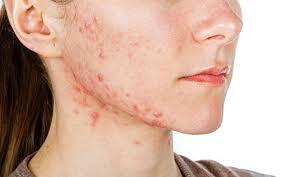
Acne, dark spots, tanning, rough texture, and uneven skin tone can make the complexion look tired. Chemical Peel in Bangalore is a professional exfoliation treatment that can help improve the appearance of several of these concerns. At Reflection Facethetics Clinic, Dr. Deepika Bartunia assesses the skin before recommending a suitable peel and strength.
What Is a Chemical Peel?
A chemical peel involves applying a selected solution to the skin for exfoliation. Depending on the formulation, it can work mainly on the outer layer or reach deeper levels. The aim is to remove damaged surface cells and support smoother-looking skin.
Superficial peels are milder and may be considered for mild acne, fine lines, and discoloration. Medium peels work deeper and may be used for moderate pigmentation or acne scars, while deeper peels require greater recovery and careful professional selection.
Can Chemical Peels Help With Acne?
Acne-prone skin can sometimes benefit from treatments that remove dead skin cells and help reduce surface buildup. Chemical peels may be included in an acne-care plan and can also improve the appearance of marks left after breakouts. However, the treatment should be selected according to the person’s skin condition rather than simply choosing the strongest peel.
For anyone researching Chemical Peel in Bangalore, factors such as active acne, skin sensitivity, pigmentation, previous treatments, and current skincare products should be considered. A consultation helps determine whether a peel is appropriate and what type may suit the skin.
Can Chemical Peels Reduce Dark Spots?
Dark spots can appear after acne, sun exposure, inflammation, or other skin changes. Chemical exfoliation can help improve the appearance of some pigmentation by removing affected surface cells and supporting skin renewal. However, pigmentation has different causes, so identifying the concern is important before treatment.
Reflection Facethetics also provides pigmentation-focused care, where options may include topical products, chemical peels, laser therapy, and microdermabrasion depending on the individual concern. A personalised plan can therefore be more useful than expecting one treatment to work the same way for everyone.
People considering Chemical Peel in Whitefield can discuss pigmentation, skin sensitivity, expected results, and recovery requirements during a professional consultation.
How Do Chemical Peels Improve Uneven Skin Tone?
Uneven skin tone may be linked to tanning, pigmentation, acne marks, or surface damage. By exfoliating the outer layers, chemical peels can help the skin look smoother and more even. They may also improve the appearance of dull or rough skin.
Results depend on the peel selected, skin condition, aftercare, and number of sessions. Some people may notice a refreshed appearance after one treatment, while pigmentation or acne marks can require a planned series. Sun protection and appropriate aftercare are important after treatment. The clinic notes that mild redness or peeling can occur.
What Happens During a Chemical Peel?
Treatment usually begins with a skin consultation and cleansing. The solution is then applied for the recommended duration. Mild tingling, warmth, or stinging may occur temporarily. Depending on the peel, redness, dryness, or peeling can appear during recovery.
At Reflection Facethetics Clinic, Dr. Deepika Bartunia evaluates the skin and recommends the peel based on the patient’s concerns and skin type. The clinic also provides aftercare instructions to support recovery. This personalised approach is relevant when choosing a Chemical Peel in Whitefield for pigmentation, acne marks, or texture concerns.
Chemical Peels and Everyday Skin Care
A peel should complement, rather than replace, a sensible skincare routine. Gentle cleansing, moisturising, sun protection, and following professional aftercare can help support the skin after treatment.
When choosing Chemical Peel in Bangalore, consider whether the peel is appropriate for your skin, what recovery may involve, and how it fits into your skincare plan. At Reflection Facethetics Clinic, Dr. Deepika Bartunia uses individual skin assessment to guide peel selection and strength.
FAQs
1. Can chemical peels help acne-prone skin?
They may help selected acne and post-acne concerns, but the appropriate peel depends on the type and severity of the condition.
2. Can chemical peels remove dark spots?
They can reduce the appearance of certain pigmentation, although results depend on the cause, skin type, treatment plan, and aftercare.
3. How many sessions are needed?
The number varies by skin concern and peel type. Some people see changes after one session, while others may need multiple treatments.
4. Is peeling after treatment normal?
Mild redness, dryness, or peeling can occur depending on the peel. Follow the recommended aftercare and avoid picking the skin.
5. What should I do after a chemical peel?
Follow the clinic’s aftercare instructions, protect the skin from direct sun exposure, and avoid harsh products until the skin has recovered.