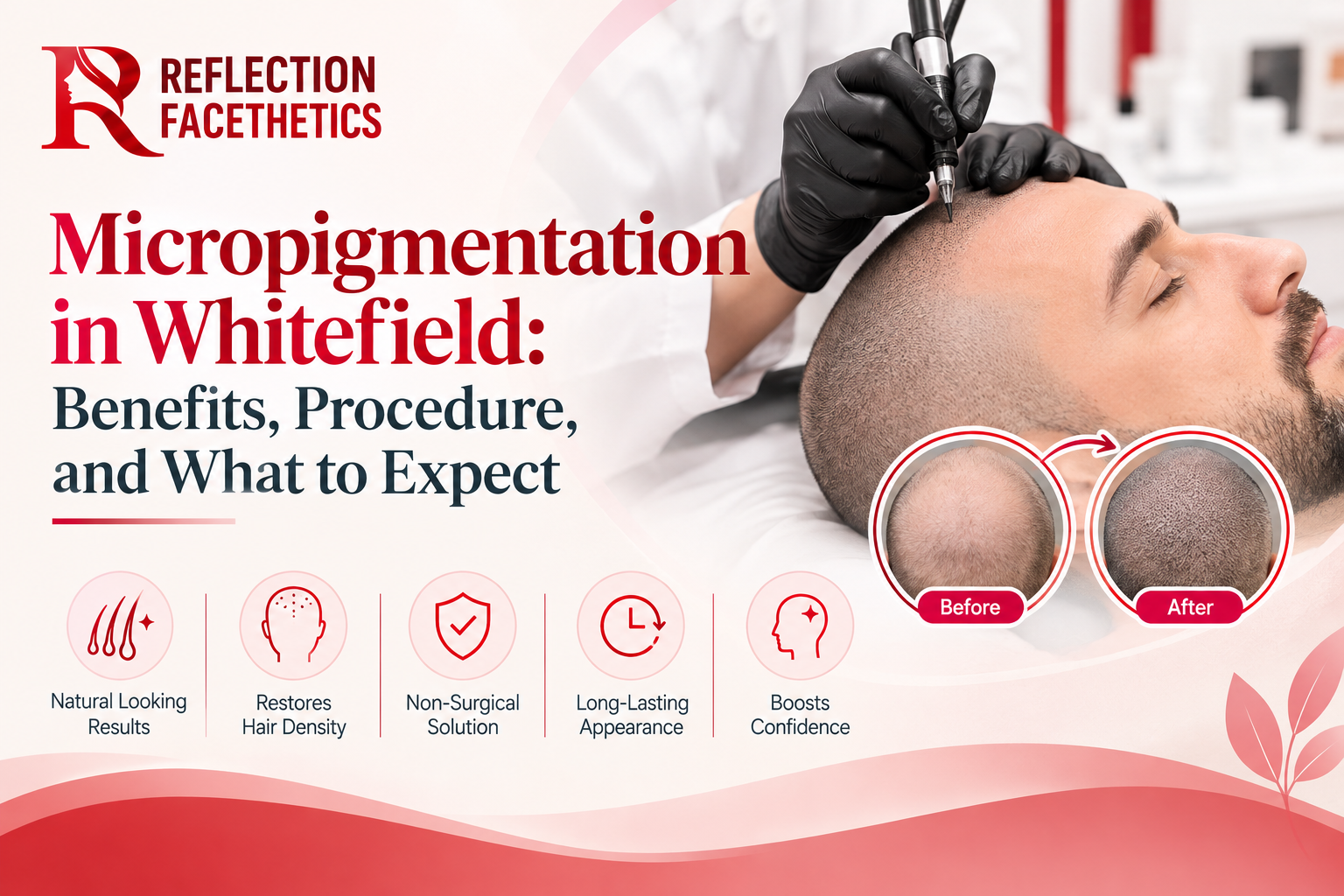
Hair thinning, visible scalp areas, and changes in hair density can affect how people feel about their appearance. For those looking for a non-surgical cosmetic option, scalp micropigmentation may be worth discussing with a trained professional. This treatment uses carefully placed pigment to create the appearance of tiny hair follicles, helping the scalp look more defined.
At Reflection Facethetics in Whitefield, Bangalore, people can learn about micropigmentation options suited to their concerns and aesthetic goals. Dr. Deepika Bartunia can guide patients through the consultation process and help them understand what the procedure may involve. Before choosing a treatment, it is important to learn about its benefits, limitations, expected results, and aftercare.
What Is Scalp Micropigmentation?
Scalp micropigmentation is a cosmetic procedure in which small pigment deposits are placed into the scalp using specialised equipment. The practitioner creates tiny dots that resemble the appearance of hair follicles. When planned carefully, these dots can help create the impression of a closely shaved hairstyle or make areas of reduced hair density appear less noticeable.
Unlike a hair transplant, this procedure does not move hair follicles or stimulate new hair growth. It concentrates on the visual appearance of the scalp. Results depend on factors such as the person’s existing hair, scalp condition, skin characteristics, and the practitioner’s technique.
People considering Scalp Micropigmentation Bangalore services should first discuss their expectations with a qualified provider. A consultation can help determine whether the treatment is appropriate and what kind of result is realistic.
Benefits of Scalp Micropigmentation
One of the main benefits of scalp micropigmentation is that it offers a cosmetic approach to making thinning areas less prominent. Depending on the everyone’s needs, potential benefits may include:
- The appearance of greater density: Pigment can help reduce the contrast between the scalp and existing hair.
- A defined shaved look: The procedure can create the visual effect of closely cropped hair.
- Coverage for selected scalp areas: It may help camouflage certain areas of visible scalp or some scars, depending on their condition.
- A non-surgical approach: The treatment does not involve transplanting follicles or undergoing hair replacement surgery.
- Personalised results: Pigment shade, dot size, and placement can be planned according to the person’s hair colour, scalp tone, and desired appearance.
These benefits are primarily cosmetic. Scalp micropigmentation does not treat the underlying causes of hair loss, and the outcome varies from person to person.
Understanding the Procedure
The process generally begins with a consultation. The practitioner reviews the scalp, discusses the person’s concerns, and assesses whether micropigmentation is suitable. Existing hair patterns, skin condition, medical history, and desired results may influence the treatment plan.
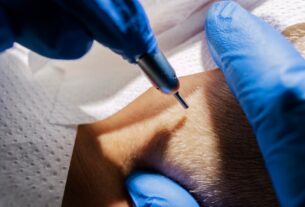
The practitioner then plans the pigment shade and placement. During the procedure, specialised equipment is used to deposit small amounts of pigment into selected areas of the scalp. The aim is to create a consistent, natural-looking pattern rather than an obvious or artificial appearance.
More than one session may be needed to build the desired density and refine the result. The number of sessions depends on the treatment area, the condition of the scalp, and individual response. Patients should ask about the equipment, pigment quality, hygiene practices, expected discomfort, and possible risks before proceeding.
What Affects Scalp Micropigmentation Cost in Bangalore?
The Scalp Micropigmentation cost in Bangalore can vary because every treatment plan is different. Factors that may affect the final quote include the size of the area being treated, the degree of visible thinning, the number of sessions required, the practitioner’s experience, and the clinic’s treatment protocols.
Some people may need treatment in a small area, while others may require more extensive coverage. Follow-up sessions or future touch-ups may also affect the overall expense. It is best to request an individual assessment rather than rely on a general online estimate.
During a consultation, ask for a clear breakdown of the fee, the number of sessions included, aftercare requirements, and any additional charges. Comparing treatment plans should involve more than price alone; hygiene, practitioner training, realistic expectations, and the quality of consultation are also important.
Aftercare and Expected Results
Following the practitioner’s instructions is essential after treatment. Depending on the technique used, patients may be advised to keep the scalp clean, avoid rubbing or scratching the treated area, and temporarily limit activities that cause excessive sweating. Sun exposure and the use of hair or skincare products may also need to be managed during the initial healing period.
Mild redness or sensitivity can occur, but the practitioner should explain which symptoms are expected and which require medical advice. Do not apply unapproved products or attempt to correct the pigment yourself.
The appearance of the treated area can change as the scalp heals. Follow-up appointments allow the practitioner to assess the result and discuss whether further sessions are appropriate. For people who also experience scalp flaking or irritation, a separate assessment may be helpful; information about dandruff treatment can help them understand why persistent scalp concerns should be addressed.
Is Scalp Micropigmentation Suitable for Everyone?
Not everyone is an ideal candidate. Active scalp infections, inflammation, certain skin conditions, allergies to pigment ingredients, or a history of problematic scarring may affect suitability. People with ongoing hair loss should understand that micropigmentation changes the appearance of the scalp rather than stopping hair loss.
Those considering Scalp Micropigmentation Bangalore treatment should share relevant medical and scalp history during their consultation. A qualified professional can explain the expected outcome, potential complications, and whether another approach may be more suitable.
Frequently Asked Questions
1. Does scalp micropigmentation grow new hair?
No. It deposits pigment into the scalp to create the appearance of hair follicles. It does not stimulate new hair growth.
2. How many sessions are usually needed?
The number varies according to the area being treated and the desired appearance. The practitioner can suggest a plan after examining the scalp.
3. Is the procedure permanent?
The pigment can fade over time, and results vary. Some people may consider touch-up sessions after discussing their needs with the practitioner.
4. What determines the treatment price?
The treated area, level of coverage required, number of sessions, and clinic-specific factors can affect the quote. Ask for a personalised estimate before starting.
5. How can I prepare for a consultation?
Share your scalp concerns, medical history, current treatments, and desired result. Ask about hygiene, pigment selection, risks, aftercare, and follow-up appointments.
For anyone considering this procedure, a personalised consultation at Reflection Facethetics can help clarify suitability, treatment expectations, and the likely care plan before making a decision.