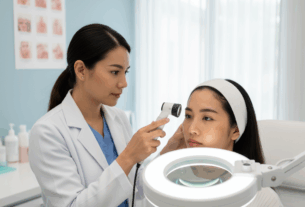
Monsoon in Bangalore doesn’t just increase humidity it also increases the risk of post-inflammatory hyperpigmentation (PIH). Acne, fungal infections, insect bites, and skin irritation can all leave behind stubborn dark marks. If you’re looking for Pigmentation Treatment in Bangalore, understanding why these marks appear during monsoon can help you prevent and treat them effectively.
Why Monsoon Can Trigger Pigmentation
It might seem counterintuitive with less sun, more clouds, so shouldn’t pigmentation improve? Unfortunately, that’s not how skin biology works. Monsoon humidity creates a breeding ground for fungal infections, acne breakouts, and skin inflammation. Every time your skin experiences inflammation, it triggers a natural healing response, and this response often leaves behind dark marks.
UV rays also don’t disappear just because the sun is hidden behind clouds. UV-A rays penetrate cloud cover easily, meaning your skin is still exposed to pigmentation-triggering radiation even on overcast, rainy days. Combine this with humidity-induced breakouts and inconsistent skincare routines, and you have the perfect storm for pigmentation to develop or intensify.
What Is Post-Inflammatory Hyperpigmentation (PIH)?
PIH occurs when skin cells called melanocytes overreact to inflammation by producing excess melanin. This excess pigment settles into the skin, creating dark spots or patches that can take months, sometimes years to fade naturally. Post-inflammatory hyperpigmentation is more common in individuals with medium to darker skin tones, since their melanocytes tend to respond more actively to inflammation. Repeated skin trauma, like picking at acne, makes PIH more pronounced and longer-lasting.
Common Monsoon Triggers of PIH
- Fungal infections and rashes from prolonged moisture exposure
- Acne flare-ups due to clogged pores and excess oil production
- Allergic reactions to humidity, dust, or seasonal changes
- Insect bites that get scratched repeatedly
Each of these seemingly minor skin issues can leave behind pigmentation that lingers well beyond the monsoon season, which is why timely intervention matters.
Professional Pigmentation Treatment Options
Many people try to manage pigmentation with over-the-counter creams, but PIH often responds better to targeted, science-backed approaches. Seeking professional Pigmentation Treatment in Bangalore allows a dermatologist to diagnose the depth of pigmentation and address the root cause rather than just masking symptoms.
Chemical Peels: These remove damaged surface skin cells while stimulating new cell growth, gradually reducing superficial pigmentation.
Laser Therapy: Targeted laser treatments break down excess melanin deposits sitting deeper in the skin, making them ideal for stubborn pigmentation that hasn’t responded to topical care.
Microneedling with Serums: This technique creates controlled micro-injuries that boost collagen production while allowing active brightening ingredients to penetrate deeper.
Topical Prescriptions: Medical-grade formulations containing tranexamic acid, niacinamide, and retinoids help regulate melanin production over time.
Choosing the right combination of these treatments requires professional guidance, since generic skincare products rarely account for whether pigmentation is epidermal, dermal, or mixed.
How to Prevent Pigmentation During Monsoon
- Never skip sunscreen, even on cloudy or rainy days
- Keep skin dry and clean to prevent fungal infections
- Avoid picking at acne, bites, or irritated skin
- Use non-comedogenic products to prevent clogged pores
- Stay hydrated and maintain a diet rich in antioxidants
Consistent Pigmentation Treatment in Bangalore routines paired with these preventive habits can significantly reduce the risk of new dark spots forming.
When Should You Visit a Dermatologist?
Consult a skin specialist if:
- Pigmentation persists for over 3 months
- Dark spots continue spreading
- Over-the-counter creams show no improvement
- Pigmentation follows fungal infections or severe acne
- The patches are accompanied by itching, redness, or pain
Why Choose Reflection Facethetics?
At Reflection Facethetics, the approach to pigmentation begins with a thorough skin analysis to determine whether the discoloration is surface-level or deeper, ensuring the treatment plan is built around your specific skin behavior rather than a generic protocol. This makes it a reliable choice for anyone seeking Pigmentation Treatment in Bangalore that’s tailored to their skin type.
FAQs
Does monsoon increase pigmentation?
Yes. Increased humidity can lead to acne, fungal infections, and skin inflammation, all of which may result in post-inflammatory pigmentation.
Can pigmentation disappear naturally?
Mild pigmentation may fade over several months, but deeper pigmentation often requires professional treatment.
Which treatment works best for post-inflammatory pigmentation?
The ideal treatment depends on the depth of pigmentation and may include chemical peels, laser therapy, topical medications, or microneedling.
Is sunscreen necessary during the monsoon?
Yes. UV-A rays penetrate clouds and continue stimulating melanin production even on rainy days.
Final Thoughts
Early treatment prevents pigmentation from becoming deeper and more difficult to remove. Seeking professional care at the first signs of persistent dark spots can help achieve faster and more predictable results. Whether you’re dealing with fresh dark marks or long-standing discoloration, opting for expert Pigmentation Treatment in Bangalore can help restore your skin’s natural clarity, regardless of the season. Reflection Facethetics combines clinical expertise with a personalized approach, making it a dependable option for anyone dealing with monsoon-related pigmentation this season.