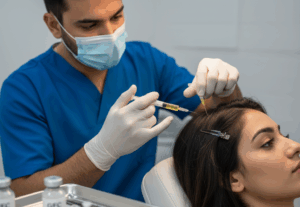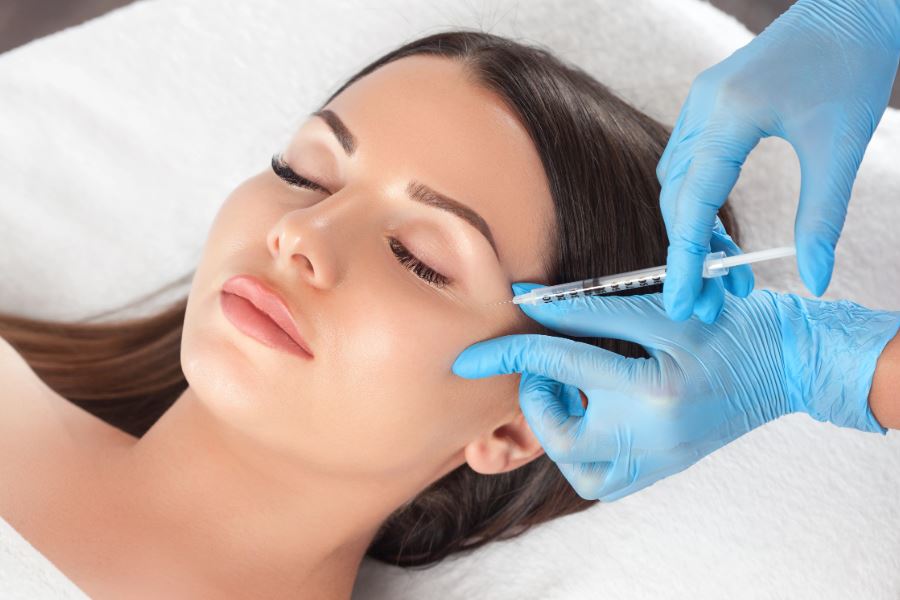
In recent years, wrinkle relaxer treatment has become one of the most commonly sought non-invasive cosmetic procedures. As people look for ways to manage fine lines and signs of aging, these treatments offer a solution that doesn’t involve surgery or extended downtime. While commonly associated with aesthetics, wrinkle relaxers can also serve therapeutic purposes in some cases. This article explores what wrinkle relaxer treatments are, how they work, and what to consider before getting one.
What Is a Wrinkle Relaxer Treatment?
A wrinkle relaxer treatment typically involves injecting a neuromodulator—such as botulinum toxin—into specific facial muscles. The goal is to temporarily reduce muscle activity, which in turn helps to smooth the overlying skin. These treatments target dynamic wrinkles, which are lines formed by repetitive facial movements such as frowning, squinting, or smiling.
Unlike dermal fillers that add volume to areas of the face, wrinkle relaxers work by relaxing the muscle activity that causes lines. Results are generally visible within a few days and can last several months, depending on the product used and individual factors.
Common Areas for Wrinkle Relaxer Treatment
Wrinkle relaxer treatment is frequently used in several key areas of the face. The most common include:
- Forehead lines: Caused by repeatedly raising the eyebrows.
- Glabellar lines (frown lines): These vertical lines appear between the eyebrows.
- Crow’s feet: Fine lines around the eyes that deepen with smiling or squinting.
- Chin dimpling: Created by overactive chin muscles.
These areas are popular choices because they tend to show the most visible improvement after treatment. In some cases, other areas like the neck or around the mouth may also be treated, depending on the individual’s concerns and desired outcome.
How to Prepare for a Wrinkle Relaxer Treatment
Preparation for a wrinkle relaxer treatment is typically minimal, but it’s important to follow a few basic guidelines. Most providers recommend avoiding alcohol, aspirin, or anti-inflammatory medications a few days before the procedure to reduce the risk of bruising. It’s also essential to communicate openly with the provider about any medical conditions, allergies, or medications.
The procedure itself usually takes no more than 15 to 30 minutes, depending on the treatment area. Most individuals can return to their regular routine immediately afterward, although it’s often advised to avoid strenuous exercise or lying flat for a few hours.
Potential Side Effects and Considerations
While wrinkle relaxer treatment is generally safe when performed by a trained professional, there are some potential side effects to be aware of. These may include:
- Mild swelling or bruising at the injection site
- Temporary headache or discomfort
- Rare cases of drooping eyelid or asymmetry
Choosing a qualified provider is key to reducing these risks. It’s also important to set realistic expectations—wrinkle relaxers are not permanent, and results vary based on individual anatomy and the product used.
A wrinkle relaxer treatment can be a practical option for those looking to reduce the appearance of fine lines and dynamic wrinkles without undergoing surgery. While the procedure is relatively straightforward, it requires careful planning, realistic expectations, and professional guidance to ensure the best possible outcome. As interest in non-invasive cosmetic procedures grows, understanding the fundamentals of wrinkle relaxers helps individuals make informed choices about their skincare journey.